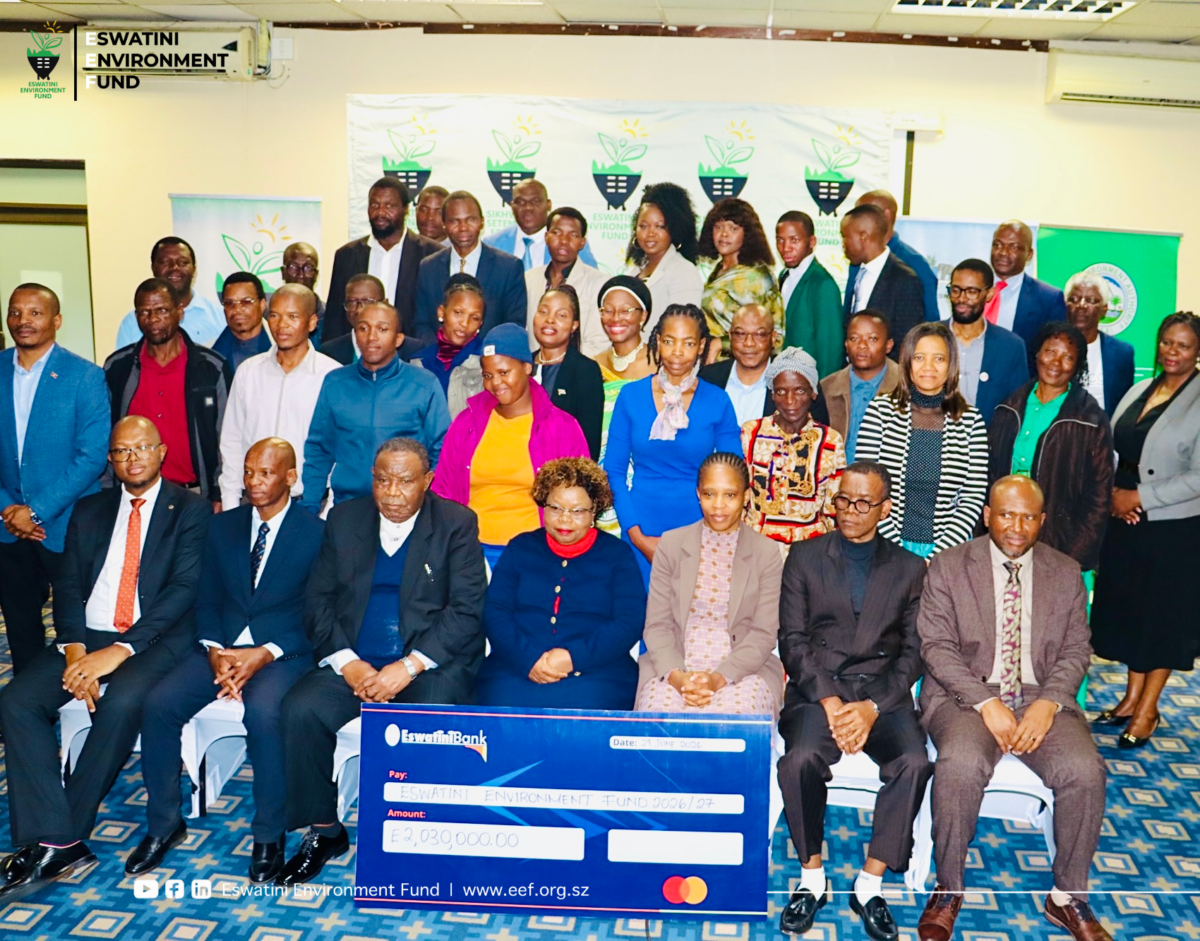
𝐆𝐨𝐯𝐞𝐫𝐧𝐦𝐞𝐧𝐭 𝐋𝐚𝐮𝐧𝐜𝐡𝐞𝐬 𝐄𝟐 𝐌𝐢𝐥𝐥𝐢𝐨𝐧 𝐄𝐧𝐯𝐢𝐫𝐨𝐧𝐦𝐞𝐧𝐭𝐚𝐥 𝐆𝐫𝐚𝐧𝐭 𝐭𝐨 𝐒𝐮𝐩𝐩𝐨𝐫𝐭 𝐂𝐨𝐦𝐦𝐮𝐧𝐢𝐭𝐲 𝐈𝐧𝐧𝐨𝐯𝐚𝐭𝐢𝐨𝐧 𝐢𝐧 𝐄𝐬𝐰𝐚𝐭𝐢𝐧𝐢
6 March 2026
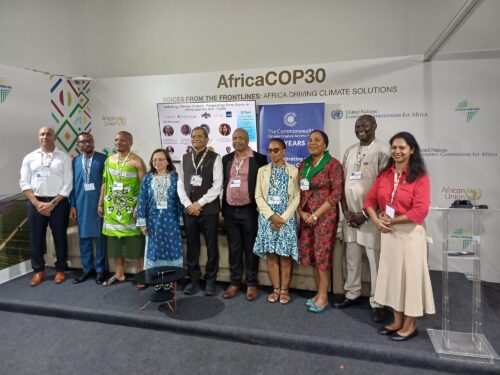
The Eswatini Environment Fund (EEF) was honoured to participate in the Commonwealth Secretariat’s side event at COP30 titled “Unlocking Climate Finance: Perspectives from Banks in Africa and the Pacific.” The session provided an invaluable platform to share Eswatini’s experience and progress in building national capacity to access international climate finance.
During the discussi on, EEF outlined its ongoing efforts to pursue accreditation to the Green Climate Fund (GCF) for micro-scale projects of up to US$10 million, implemented through grant instruments. Administered by the Eswatini Environment Authority (EEA), the Fund’s accreditation journey has underscored the importance of institutional strengthening and system development to meet GCF’s fiduciary, environmental, and governance standards.
on, EEF outlined its ongoing efforts to pursue accreditation to the Green Climate Fund (GCF) for micro-scale projects of up to US$10 million, implemented through grant instruments. Administered by the Eswatini Environment Authority (EEA), the Fund’s accreditation journey has underscored the importance of institutional strengthening and system development to meet GCF’s fiduciary, environmental, and governance standards.As a relatively small entity, EEF initially faced challenges such as limited institutional systems, policy gaps, and the absence of a project implementation track record. Through the ongoing GCF Readiness project implemented with the Food and Agriculture Organization (FAO), the Fund is addressing these challenges by establishing and operationalizing robust financial, monitoring, and safeguard systems. In parallel, a national process is underway to strengthen the EEF and enable it to directly access and manage international climate resources.
Regional collaboration remains central to EEF’s growth strategy. The Fund continues to draw valuable lessons from peer institutions, notably the Environment 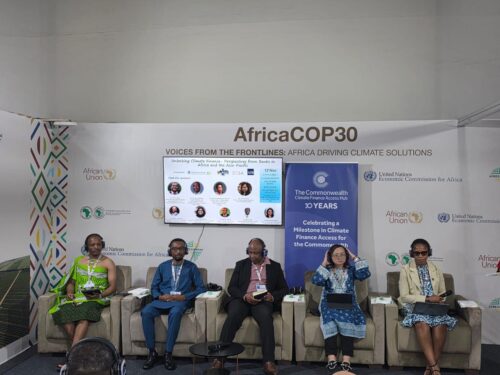 Investment Fund of Namibia, whose success provides a practical model for institutional evolution and climate finance leadership. A Memorandum of Understanding currently being developed between the two Funds will formalise cooperation and promote continuous peer learning in climate finance and environmental investment.
Investment Fund of Namibia, whose success provides a practical model for institutional evolution and climate finance leadership. A Memorandum of Understanding currently being developed between the two Funds will formalise cooperation and promote continuous peer learning in climate finance and environmental investment.EEF extends its appreciation to the Commonwealth Secretariat for its continued partnership and technical support to the Kingdom of Eswatini and commitment to strengthening climate finance systems in Eswatini.