Eight Community Environmental Projects Awarded Funding Under the Eswatini Environment Fund 2026/2027 Grant Cycle
29 June 2026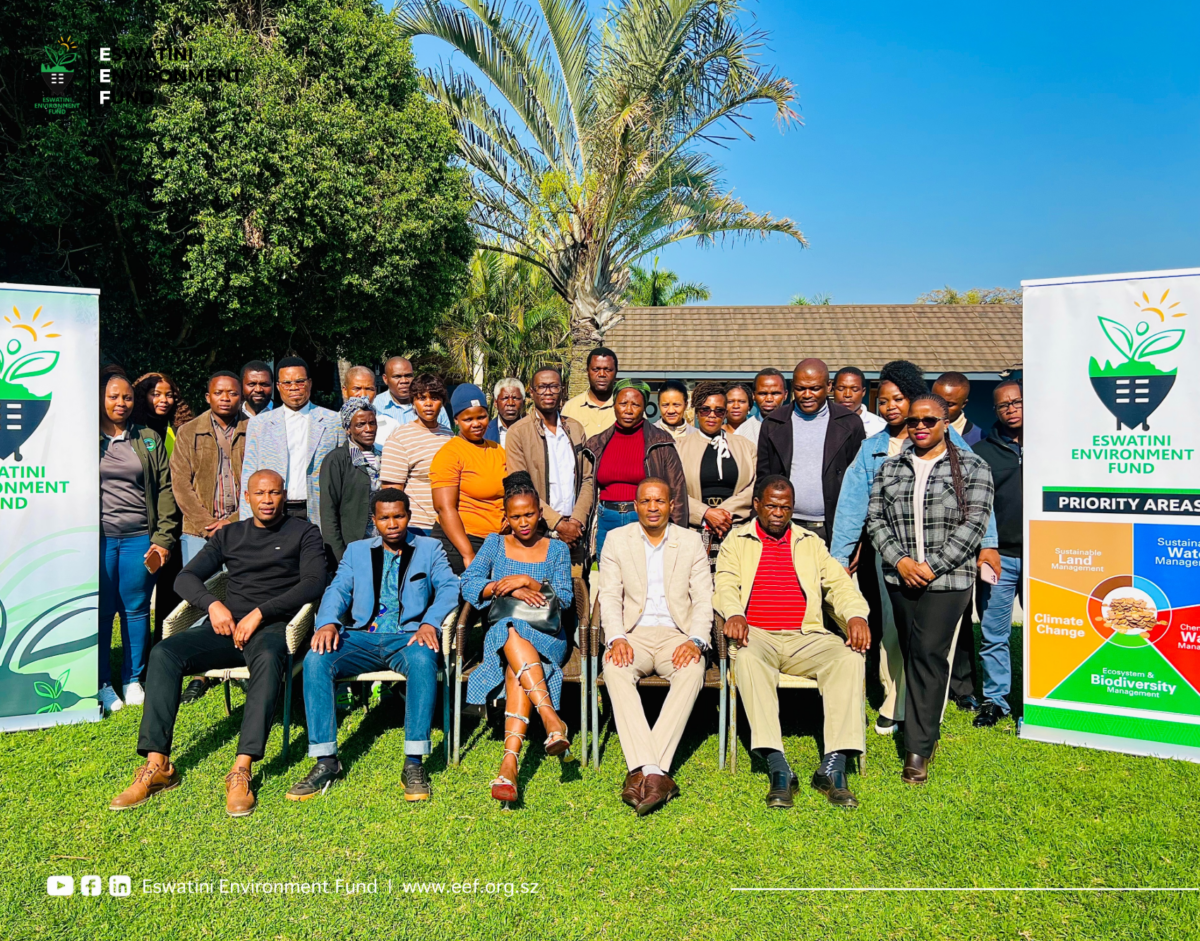
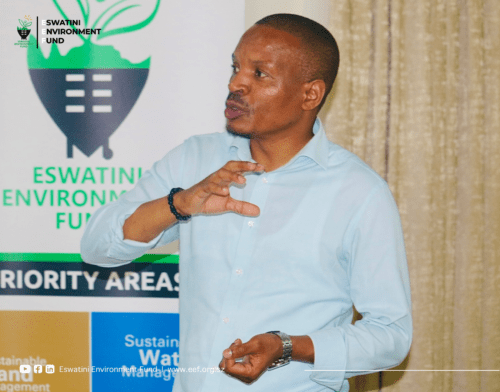
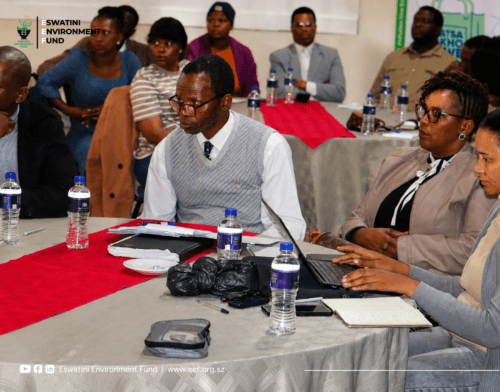
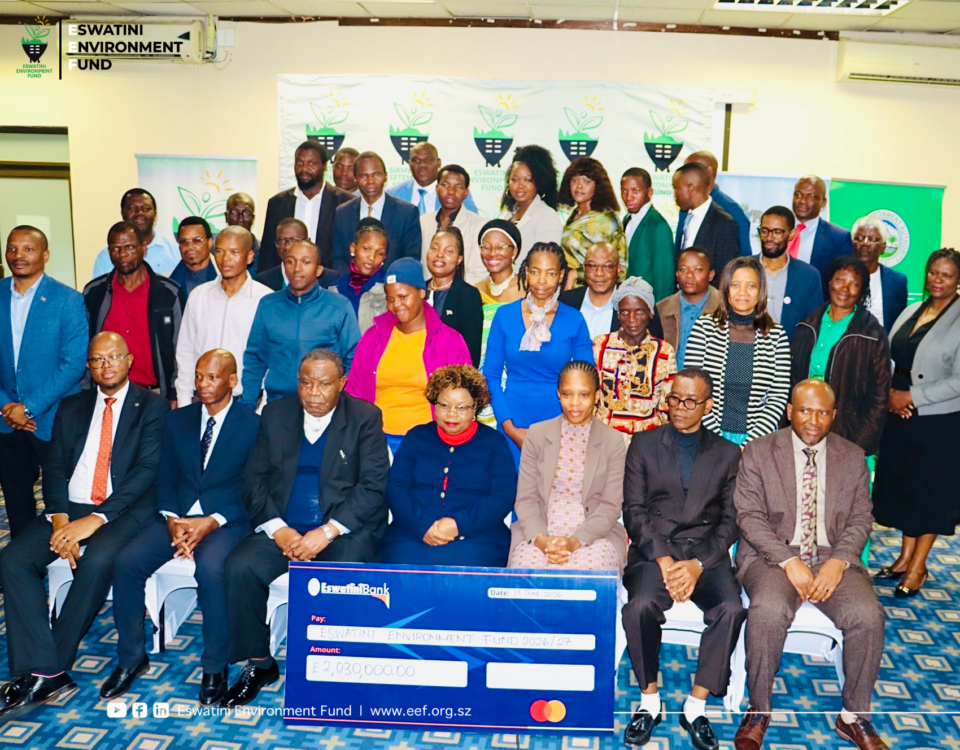
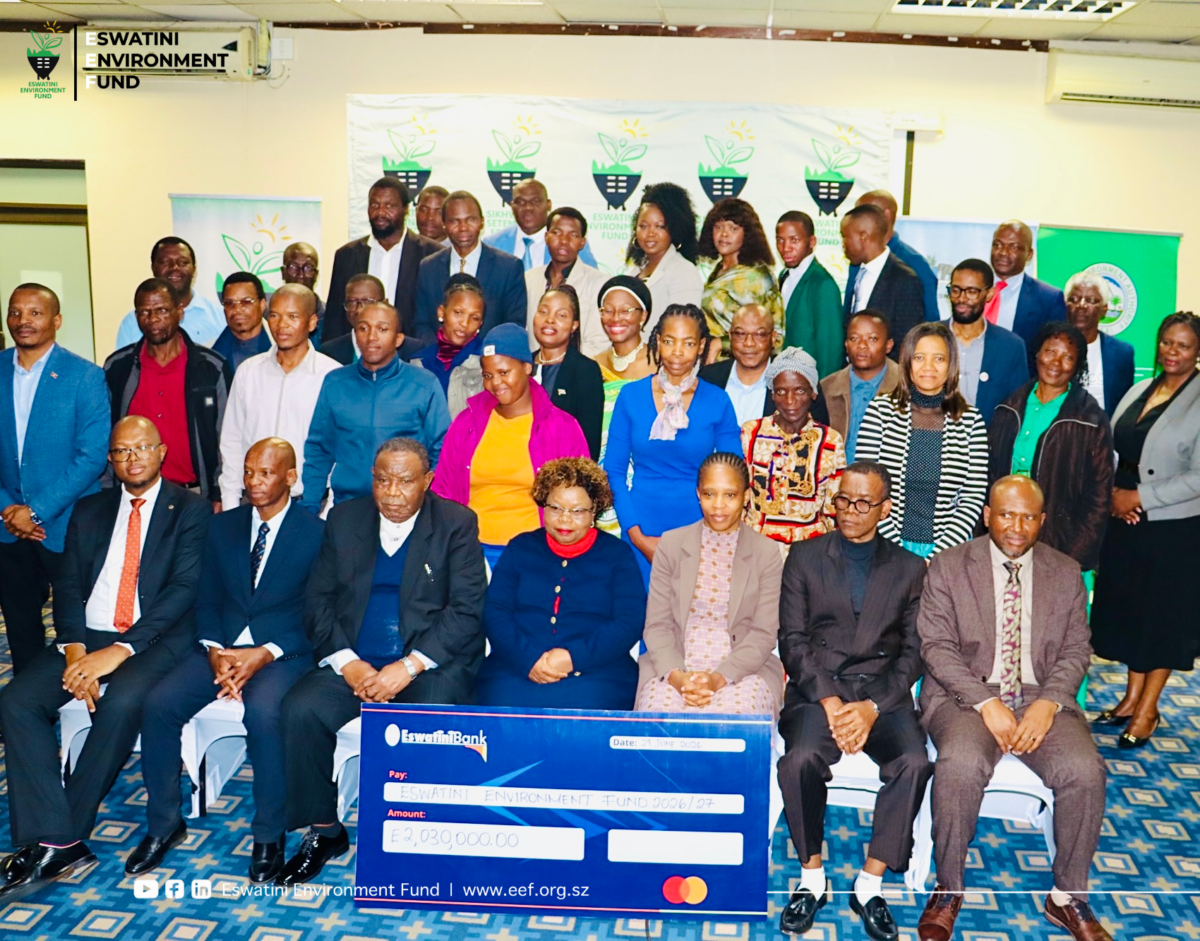
The Eswatini Environment Fund (EEF) has successfully concluded a comprehensive three-day Inception Workshop for project leaders representing the 2026/2027 funded projects. The workshop marked the official commencement of the new grant cycle and was designed to equip beneficiaries with the knowledge, skills, and practical tools required to implement environmentally sustainable, accountable, and impactful projects across the country.
The training brought together project leaders from the eight successful projects awarded funding under the 2026/2027 grant cycle. Throughout the three days, participants engaged in interactive presentations, discussions, and practical sessions aimed at strengthening project implementation, governance, environmental compliance, and long-term sustainability.
Opening the workshop, the Eswatini Environment Fund introduced participants to the Fund’s mandate, the objectives of the workshop, and the grant administration process. Beneficiaries were guided through the administrative requirements that govern project implementation, ensuring a common understanding of reporting obligations, financial accountability, and effective communication with the Fund throughout the project lifecycle.
Participants also received detailed training on Grant Agreements, covering the purpose and contents of the agreements, project scope, asset ownership and management, as well as the conditions that may lead to amendment or cancellation of agreements. This session reinforced the importance of transparency, compliance, and responsible stewardship of grant resources.
A key component o
f the workshop focused on Project Management, Monitoring and Reporting, where beneficiaries were taken through procurement procedures, occupational safety and health considerations, project monitoring requirements, and strategies for sustaining projects beyond the funding period. Discussions emphasized establishing strong governance structures, promoting community ownership, and ensuring that project benefits continue long after implementation has been completed.
Recognising the importance of environmental compliance, the Eswatini Environment Authority (EEA) delivered specialised sessions on Environmental Laws and Environmental Stewardship, highlighting
the legal responsibilities of project implementers and the need to safeguard natural resources throughout project execution. The Authority also facilitated a dedicated session on the Environmental Impact Assessment (EIA) Process, providing participants with a clear understanding of the purpose, significance, and procedures of environmental assessments in ensuring that development activities are environmentally responsible and legally compliant.
Another important session centred on Governance, Communication and Conflict Resolution, where participants explored principles of effective leadership, participatory decision-making, group dynamics, communication strategies, and conflict prevention and management. The discussions reinforced the role of good governance in promoting accountability, teamwork, and successful project delivery.
To ensure inclusivity remains at the heart of environmental initiatives, the Deputy Prime Minister’s Office facilita
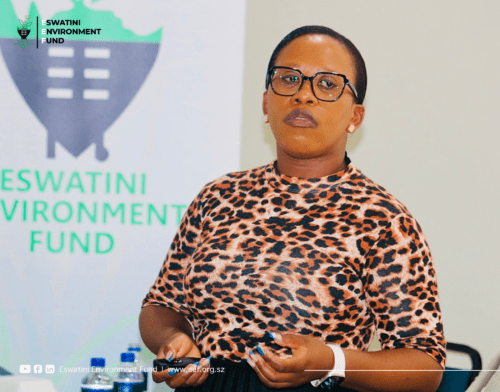 ted a session on Gender and Equity in Project Management. Participants were introduced to gender mainstreaming principles, inclusive participation, equitable benefit sh
aring, safeguarding measures, and approaches for monitoring gender and equity outcomes throughout project implementation. The session encouraged beneficiaries to develop projects that create opportunities for all members of society while leaving no one behind.
The successful completion of the workshop signifies the beginning of a new phase for the 2026/2027 funded projects. Equipped with enhanced technical knowledge and practical implementation skills, project leaders are now better positioned to deliver projects that contribute meaningfully to environmental conservation, climate resilience, biodiversity protection, sustainable land and water management, and improved livelihoods within their communities.
The Eswatini Environment Fund remains committed to supporting beneficiaries throughout the implementation journey, ensuring that funded projects deliver lasting environmental, social, and economic benefits for present and future generations.
Together, we continue investing in communities, strengthening environmental stewardship, and building a more sustainable Eswatini.